casa
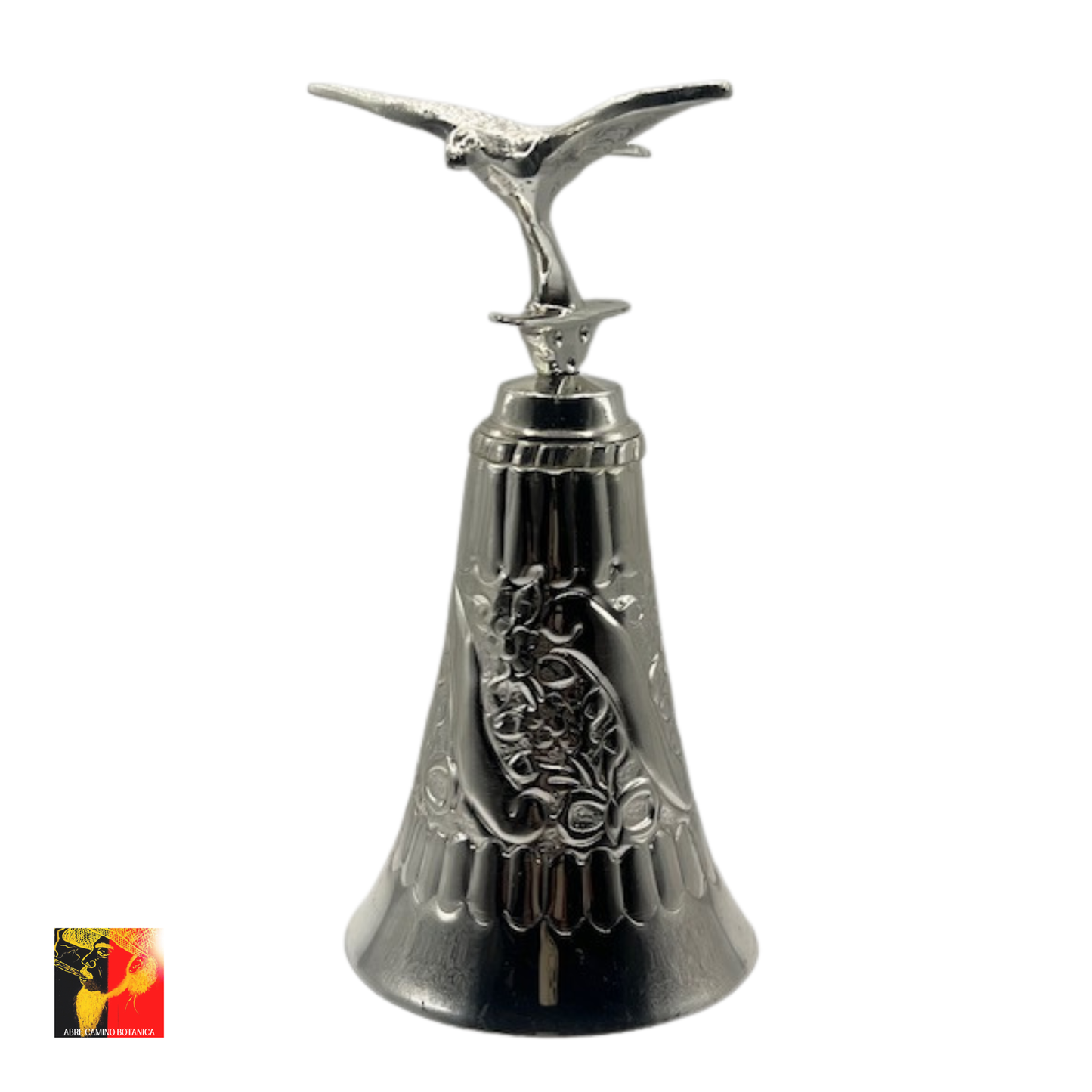
Campana de Obatala/agogo
Campana de Obatala/agogo
Couldn't load pickup availability
La Campana de Obatalá (también conocida como Agogô o Campana Ritual Blanca) es un instrumento sagrado usado para llamar la atención del Orisha Obatalá durante ceremonias, rezos y atenciones espirituales. Su sonido puro y claro representa la paz, la pureza y la conexión con el padre de todos los Orishas.
Otros nombres:
- Agogô de Obatalá (nombre yoruba tradicional)
- Campana Blanca (por su color sagrado)
- Campana Ritual (por su uso ceremonial)
- Campana del Padre (Obatalá es el padre de los Orishas)
- Adjá de Obatalá (en algunas tradiciones)
¿Quién es Obatalá?
Obatalá es el Orisha de la creación, la paz, la pureza y la sabiduría. Es el padre de todos los Orishas y el creador de los seres humanos. Su color es el blanco puro, que representa la pureza, la paz y la claridad espiritual. Obatalá es el dueño de todas las cabezas (ori) y rige sobre los pensamientos, la mente y la conciencia.
Para qué sirve la campana:
- Llamar a Obatalá - el sonido de la campana atrae su atención y presencia
- Iniciar ceremonias - se toca al comenzar rituales y atenciones a Obatalá
- Acompañar rezos - se toca durante oraciones y moyubas
- Purificar espacios - el sonido limpia energías negativas
- Despertar al Orisha - se usa para "despertar" a Obatalá en su sopera
- Pedir bendiciones - se toca al hacer peticiones importantes
- Agradecer - se usa en ceremonias de agradecimiento
- Marcar momentos sagrados - señala momentos importantes en rituales
- Traer paz - su sonido calma y trae tranquilidad
Cómo se usa:
Durante ceremonias:
- Tocar tres veces al iniciar cualquier atención a Obatalá
- Tocar mientras se recitan oraciones y moyubas
- Tocar al presentar ofrendas
- Tocar al finalizar ceremonias en agradecimiento
- Sostener con la mano derecha y tocar con respeto
En el altar:
- Se coloca cerca de la sopera de Obatalá
- Debe estar siempre limpia y brillante
- Se puede colgar o colocar sobre tela blanca
- Nunca debe tocar el suelo
- Se limpia con agua y algodón blanco
Momentos para tocar la campana:
- Al despertar, para saludar a Obatalá
- Antes de darle de comer (ofrendas)
- Durante limpiezas espirituales con Obatalá
- En el día de Obatalá (jueves o 24 de septiembre)
- Al pedir su intervención en asuntos importantes
- Durante iniciaciones y ceremonias mayores
- Al agradecer milagros y bendiciones recibidas
Características:
- Color: Blanco o plateado (colores de Obatalá)
- Material: Metal (generalmente bronce, plata o acero inoxidable)
- Sonido: Claro, puro y resonante
- Tamaño: Pequeña a mediana, fácil de sostener
- Diseño: Simple y elegante, acorde a la pureza de Obatalá
- Mango: Cómodo para sostener durante ceremonias
Significado espiritual del sonido:
- El sonido claro representa la pureza de Obatalá
- Las vibraciones limpian el espacio de energías negativas
- El tintinear llama la atención del Orisha al plano terrenal
- Cada toque es una oración sonora
- El eco representa la respuesta de Obatalá
Cuidado de la campana:
- Limpiar regularmente con paño blanco suave
- Pulir ocasionalmente para mantener el brillo
- Guardar en lugar limpio y elevado
- No permitir que personas no iniciadas la toquen
- Tratar con el mismo respeto que a Obatalá
- Nunca usar para propósitos no sagrados
Combinación con otros elementos:
- Se usa junto con el iruke (rabo de caballo blanco)
- Se combina con velas blancas
- Se acompaña de cascarilla y algodón
- Se usa durante ofrendas de manteca de cacao
Importancia espiritual:
La campana de Obatalá no es solo un instrumento musical; es una herramienta sagrada de comunicación directa con el padre de todos los Orishas. Su sonido trasciende el plano físico y llega al mundo espiritual, alertando a Obatalá de que sus hijos lo están llamando. Es un símbolo de respeto, devoción y conexión con lo divino.
The Obatalá Bell (also known as Agogô or White Ritual Bell) is a sacred instrument used to call the attention of the Orisha Obatalá during ceremonies, prayers, and spiritual attentions. Its pure and clear sound represents peace, purity, and connection with the father of all Orishas.
Other names:
- Agogô de Obatalá (traditional Yoruba name)
- White Bell (for its sacred color)
- Ritual Bell (for its ceremonial use)
- Father's Bell (Obatalá is the father of the Orishas)
- Adjá de Obatalá (in some traditions)
Who is Obatalá?
Obatalá is the Orisha of creation, peace, purity, and wisdom. He is the father of all Orishas and the creator of human beings. His color is pure white, representing purity, peace, and spiritual clarity. Obatalá is the owner of all heads (ori) and rules over thoughts, mind, and consciousness.
What the bell is for:
- Call Obatalá - the bell's sound attracts his attention and presence
- Begin ceremonies - rung at the start of rituals and attentions to Obatalá
- Accompany prayers - rung during prayers and moyubas
- Purify spaces - the sound cleanses negative energies
- Awaken the Orisha - used to "awaken" Obatalá in his tureen
- Ask for blessings - rung when making important petitions
- Give thanks - used in gratitude ceremonies
- Mark sacred moments - signals important moments in rituals
- Bring peace - its sound calms and brings tranquility
How to use:
During ceremonies:
- Ring three times when beginning any attention to Obatalá
- Ring while reciting prayers and moyubas
- Ring when presenting offerings
- Ring at the end of ceremonies in gratitude
- Hold with right hand and ring with respect
On the altar:
- Place near Obatalá's tureen
- Must always be clean and shiny
- Can be hung or placed on white cloth
- Should never touch the ground
- Clean with water and white cotton
Times to ring the bell:
- Upon waking, to greet Obatalá
- Before feeding him (offerings)
- During spiritual cleansings with Obatalá
- On Obatalá's day (Thursday or September 24)
- When asking for his intervention in important matters
- During initiations and major ceremonies
- When thanking for received miracles and blessings
Characteristics:
- Color: White or silver (Obatalá's colors)
- Material: Metal (usually bronze, silver, or stainless steel)
- Sound: Clear, pure, and resonant
- Size: Small to medium, easy to hold
- Design: Simple and elegant, in accordance with Obatalá's purity
- Handle: Comfortable to hold during ceremonies
Spiritual meaning of the sound:
- The clear sound represents Obatalá's purity
- The vibrations cleanse the space of negative energies
- The ringing calls the Orisha's attention to the earthly plane
- Each ring is a sound prayer
- The echo represents Obatalá's response
Bell care:
- Clean regularly with soft white cloth
- Polish occasionally to maintain shine
- Store in clean and elevated place
- Do not allow uninitiated people to touch it
- Treat with the same respect as Obatalá
- Never use for non-sacred purposes
Combination with other elements:
- Used together with iruke (white horsetail)
- Combined with white candles
- Accompanied by cascarilla and cotton
- Used during cocoa butter offerings
Spiritual importance:
Obatalá's bell is not just a musical instrument; it is a sacred tool of direct communication with the father of all Orishas. Its sound transcends the physical plane and reaches the spiritual world, alerting Obatalá that his children are calling him. It is a symbol of respect, devotion, and connection with the divine.
Share